



We are a movement to get back to an India that was wise and wonderful.
Milk is a source of various nutrients and the best way to give kids their daily dose of calcium and multi-vitamins. In the growing years, every child needs to goodness and benefits of a healthy glass of milk, but how right are we in our choice of picking the milk.
Every parent puts in hours of effort and work into picking nothing but the best for their little one, but do we take the same amount of time into picking the best milk for our child? Is it right that we go on and buy one that’s stacked up in the supermarket, and loaded with preservatives? Is the milk we get today the same as it was a few decades ago? Is it actually healthy to consume milk in its current form? Are we doing more harm than good by having milk and giving it to our little kids to consume?


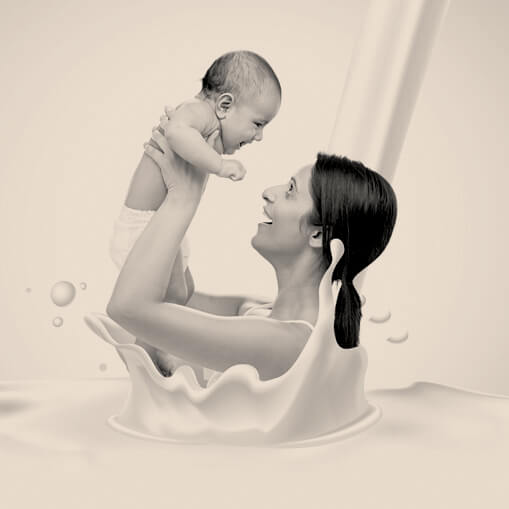
So what’s the difference between the A1 and the A2 milk?
The basic difference between A1 and the A2 milk is that the A2 milk is the organic milk that’s produced by the Indian cow in its natural habitat, and the A1being the industrial milk that's allegedly laden with numerous antibiotics and harmful stress hormones.
The A2 cows are basically the earliest breeds of reared cattle like the Indian Desi Gir cow and the milk yielded by them is rich in an amino acid called the Proline, which is lacking in the hybrid breeds. In fact in the milk of the hybrid breed cows this Proline is converted into a chemical substance called the Histidine as a result of genetic alteration over the years.
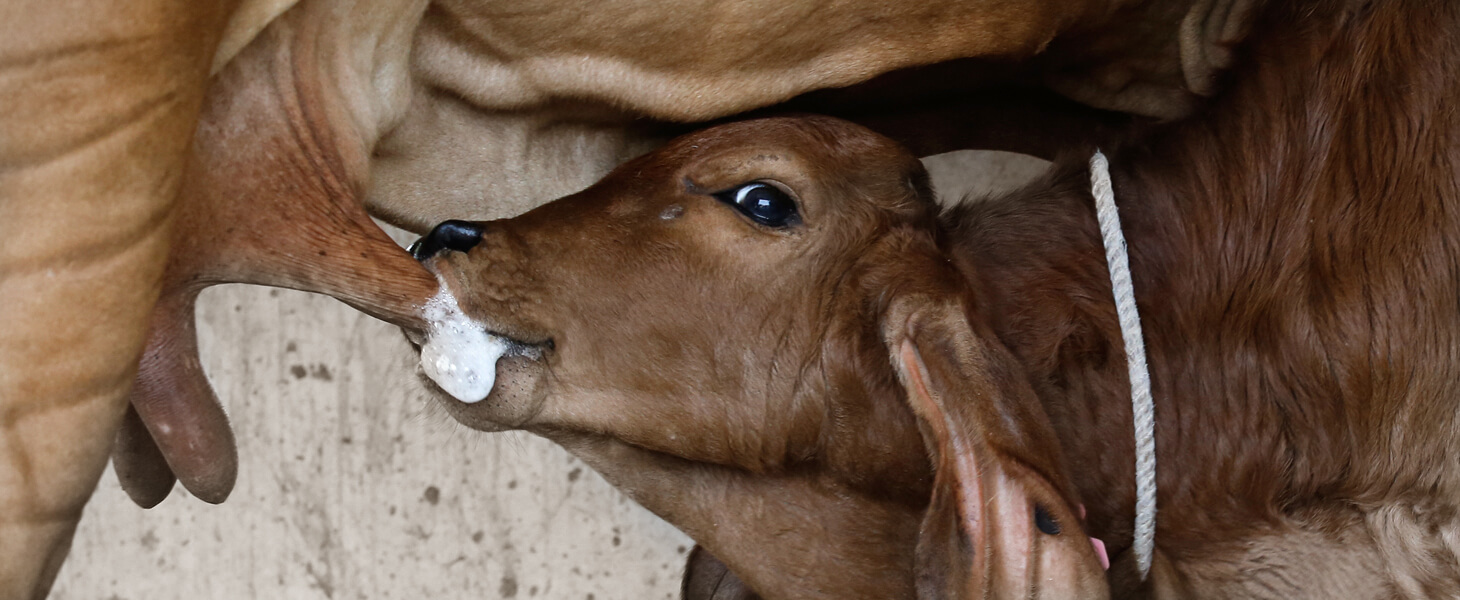

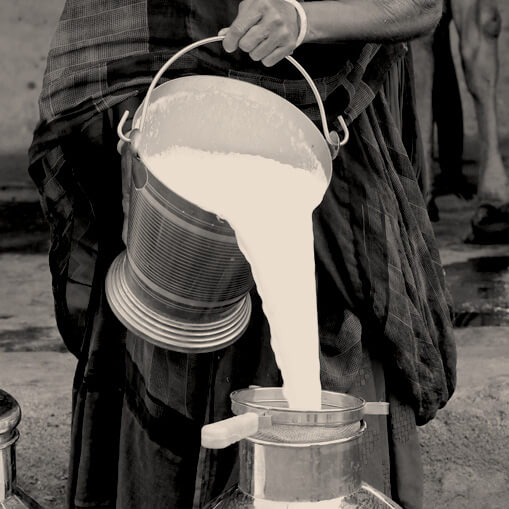
The animals are fed genetically modified foods and fodder that will help it produce more milk, but take a toll on the animal’s health and reproductive system. And this is also passed on to the calves and humans consuming the milk, in fact in most cases the calves are separated early from the cow to have most of the milk for sale.
The need to feed the growing population and the greed to make more money of it has led to these unethical practices. The medicinal and healthy properties of the native breed cows are being ignored. Almost an entire generation has fallen victim to the effects of the harmful chemicals mixed in milk, and that is a reason for the growing ailments and increasing vulnerability to various diseases.
There’s a dire need to increase awareness among people about the source of the milk they drink and how they are indirectly imposing themselves to more risk with every passing day.
Whereas the milk of the native cow on the other hand offers a host of goodness in the form of nutrients, for instance it has over 25 types of minerals and vitamins that are essential for a person’s overall development.